





3D MDF Panels Are Transforming Modern Interiors
Interior design trends continue to evolve, and textured surfaces are becoming one of the most effective ways to create visually engaging spaces. 3D MDF Panels have become especially popular among homeowners, architects, and commercial designers who want to add movement, depth, and sophistication to walls without overwhelming the room.
Unlike flat wall finishes, 3D MDF panels create dimension through carved or molded patterns that interact beautifully with lighting. Shadows and highlights naturally shift throughout the day, giving walls a dynamic appearance that traditional paint or wallpaper cannot achieve. This effect makes interiors feel more luxurious and architecturally refined.
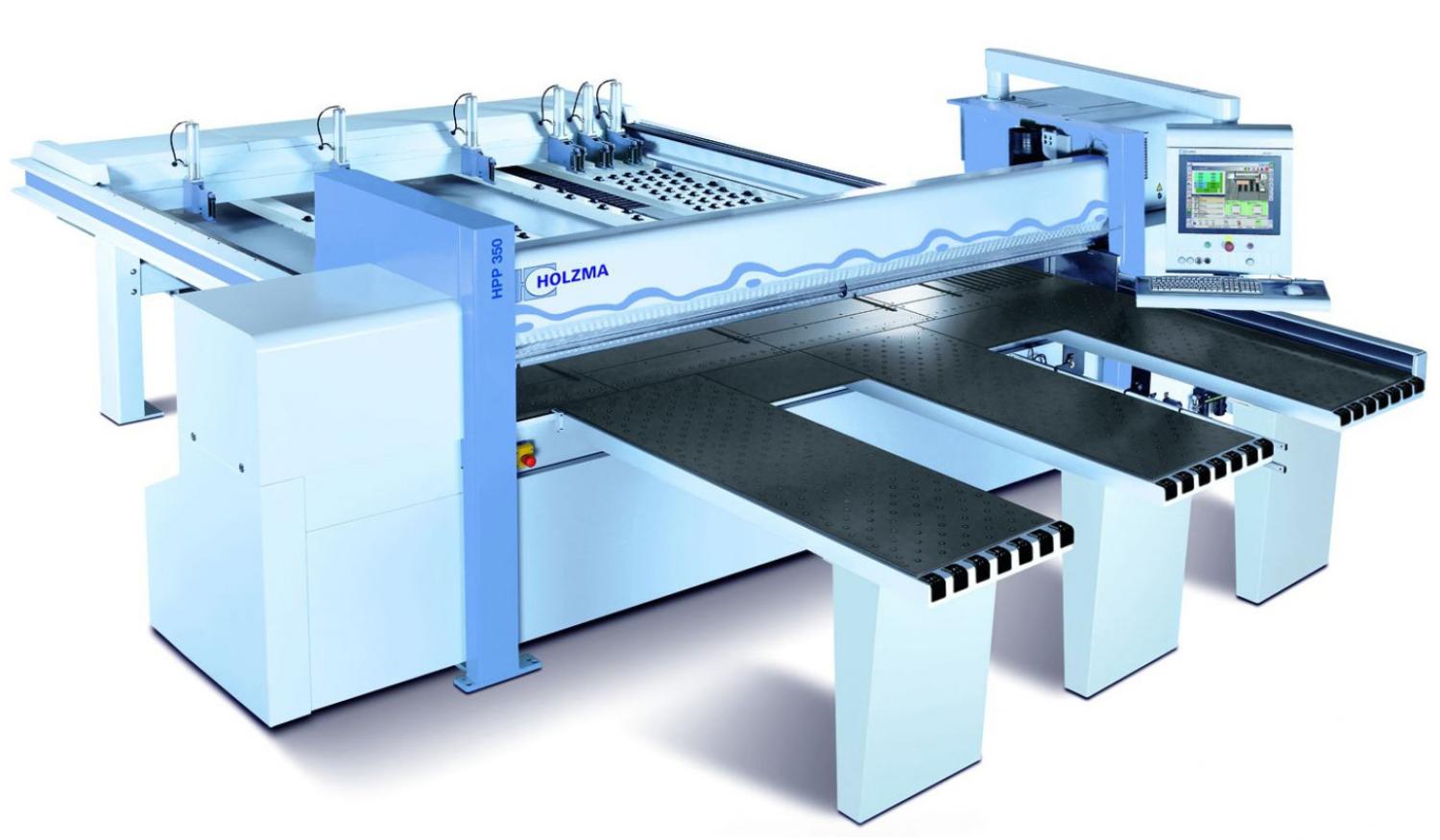
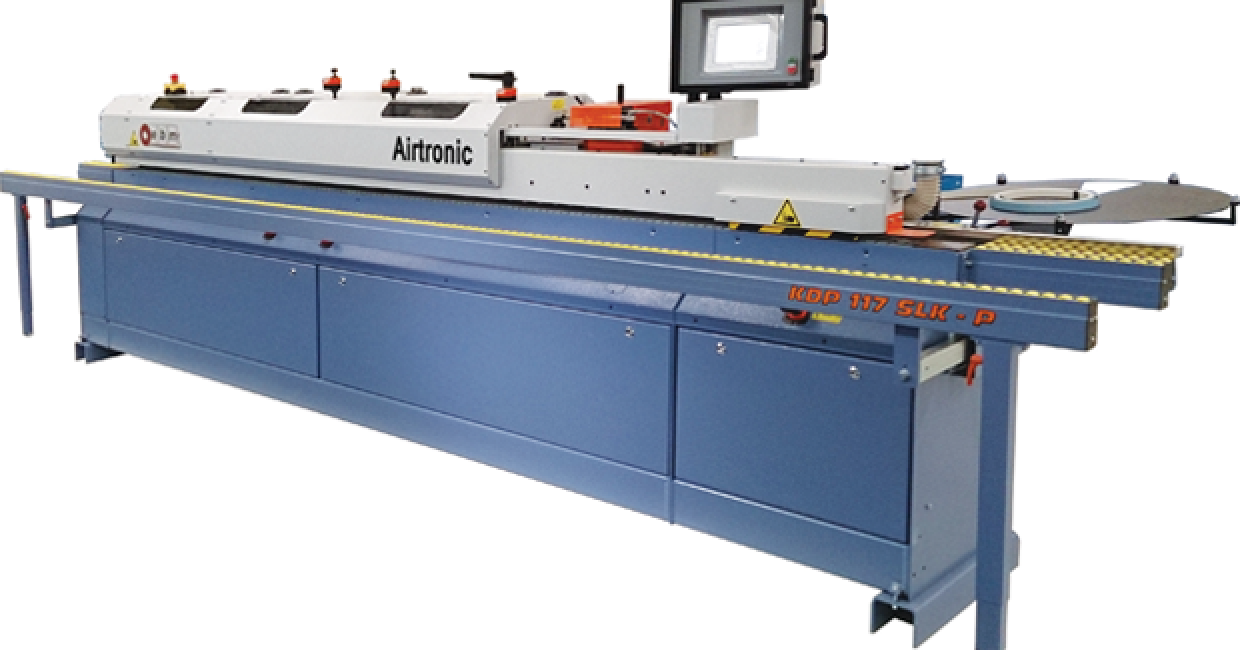
One of the main reasons MDF panels are widely used is their versatility. Medium-density fiberboard is stable, smooth, and easy to machine into complex shapes. Manufacturers can create wave patterns, geometric textures, fluted lines, and organic designs that fit both residential and commercial environments. Whether installed in a hotel lobby, office reception area, living room, or restaurant, 3D MDF panels instantly become a focal point.
Another major advantage is design flexibility. Modern panels are available in a variety of finishes, including painted surfaces, wood veneers, matte coatings, and custom colors. Designers often choose neutral shades to emphasize texture, while darker finishes can create dramatic visual contrast. Some projects even combine indirect LED lighting with 3D panels to enhance depth and create ambient illumination.
Acoustic performance is another important benefit. Textured MDF surfaces help diffuse sound waves better than flat walls, making them useful in offices, media rooms, conference areas, and hospitality spaces. While they are not a replacement for professional acoustic systems, they can noticeably improve the atmosphere of a room.
Installation is relatively straightforward compared to more complex architectural wall systems. Panels can be mounted directly onto prepared walls or installed over framework systems depending on the project requirements. Many manufacturers design modular panel systems so patterns align seamlessly across larger surfaces.
Durability also plays a role in their growing popularity. High-quality MDF panels with proper finishing resist warping and maintain their appearance for years when used in dry interior environments. Maintenance is generally simple, requiring only light cleaning to remove dust and maintain the finish.
Sustainability has become increasingly important in modern construction and design. Many MDF products are now manufactured using responsibly sourced wood fibers and low-emission adhesives, helping projects meet modern environmental standards. This makes them attractive for eco-conscious residential and commercial developments.
3D MDF panels are also highly adaptable stylistically. Minimalist interiors benefit from subtle linear textures, while luxury spaces often feature more dramatic sculptural designs. Scandinavian interiors may use soft wave patterns in light oak finishes, whereas contemporary commercial spaces frequently choose bold geometric layouts with monochrome palettes.
As interior trends continue moving toward tactile and layered environments, textured wall solutions are becoming more valuable than ever. Flat walls can sometimes feel cold or unfinished, while 3D panels introduce personality and architectural character without requiring major structural changes.
For designers seeking a balance between aesthetics, practicality, and modern appeal, 3D MDF panels remain one of the most effective solutions available today. Their ability to transform ordinary walls into statement surfaces explains why they continue to gain popularity across both residential and commercial interiors worldwide.